
Crop production
Grupo Merino’s farming operation in Spain. Three hundred hectares in Ayamonte, with a microclimate suited to tropical fruit, over three kilometres of Guadiana riverfront on the Portuguese border, and export-grade fruit shipping across Europe.
Let’s talkThe estates
Agropecuaria del Guadiana is a group of estates: some sixty holdings adding up to 300 hectares in Ayamonte, in the west of the province of Huelva. Fifty are planted with Persian limes, Hass avocados and pomegranates, which grow here thanks to the microclimate of the lower Guadiana, suited to tropical fruit. The other 250 are the ground for what comes next: the estate’s tourism development, right on the Portuguese border.
About Ayamonte
The last Spanish town before Portugal, at the mouth of the Guadiana and at the western end of Huelva’s Costa de la Luz. It lives from fishing, farming and tourism, and the international bridge puts it minutes from the Algarve.
The origin
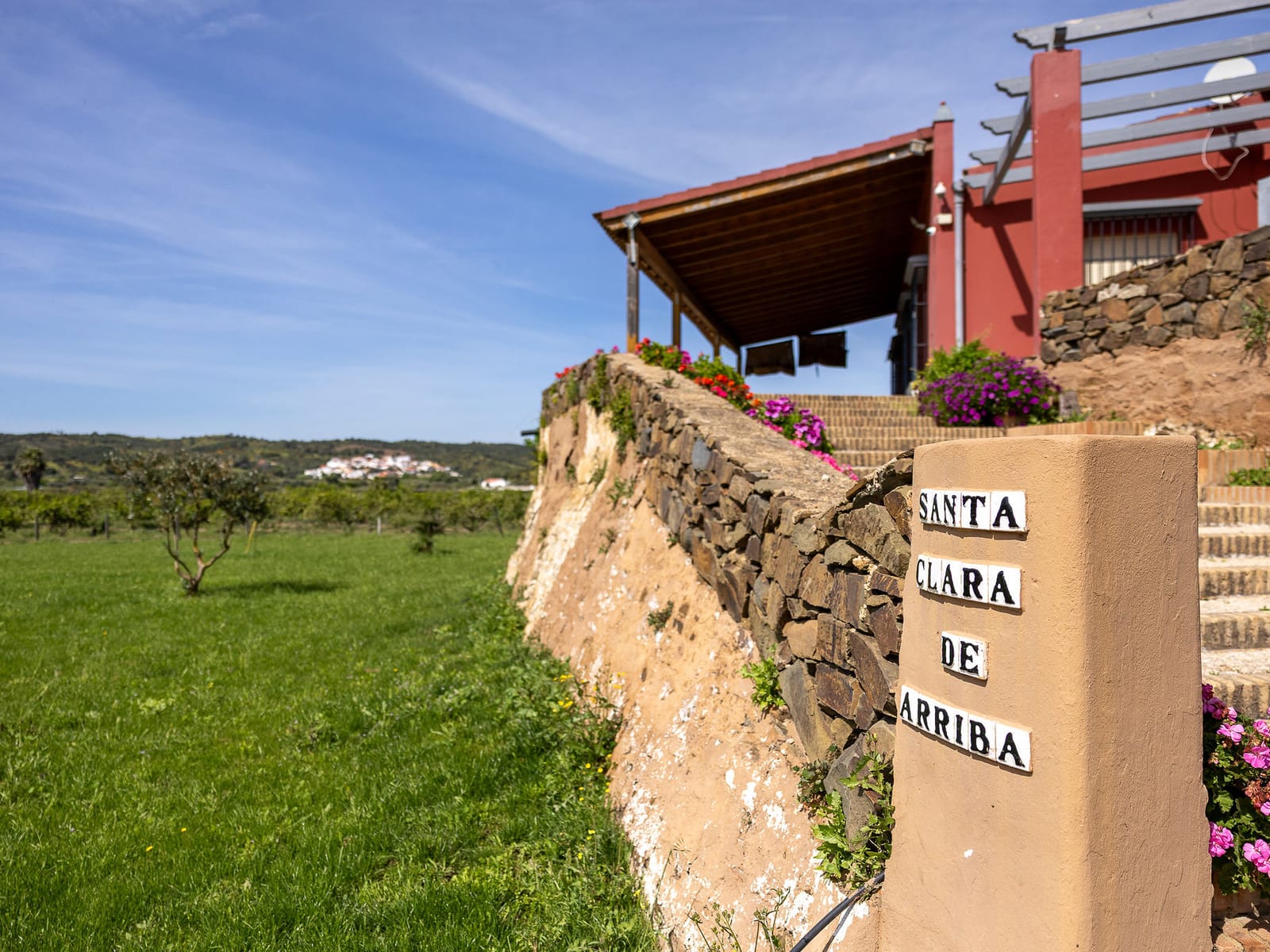
Santa Clara de Arriba is the founding estate of the group, the one with the fifty planted hectares, and it has been producing since 1982. The starting idea was simple and it worked: plant a farming estate on the lower Guadiana. The project has kept growing ever since. Estate by estate, year after year, the land around Santa Clara added up to today’s 300 hectares.
Four decades of growing that way explain the shape of the group: some sixty linked holdings, with more than three unbroken kilometres of Guadiana riverfront.
The crops
Persian lime, Hass avocado and pomegranate, all three planted and in production. They are the benchmark varieties in international trade for each of their fruits, and they grow here thanks to the microclimate of the lower Guadiana, suited to tropical crops.
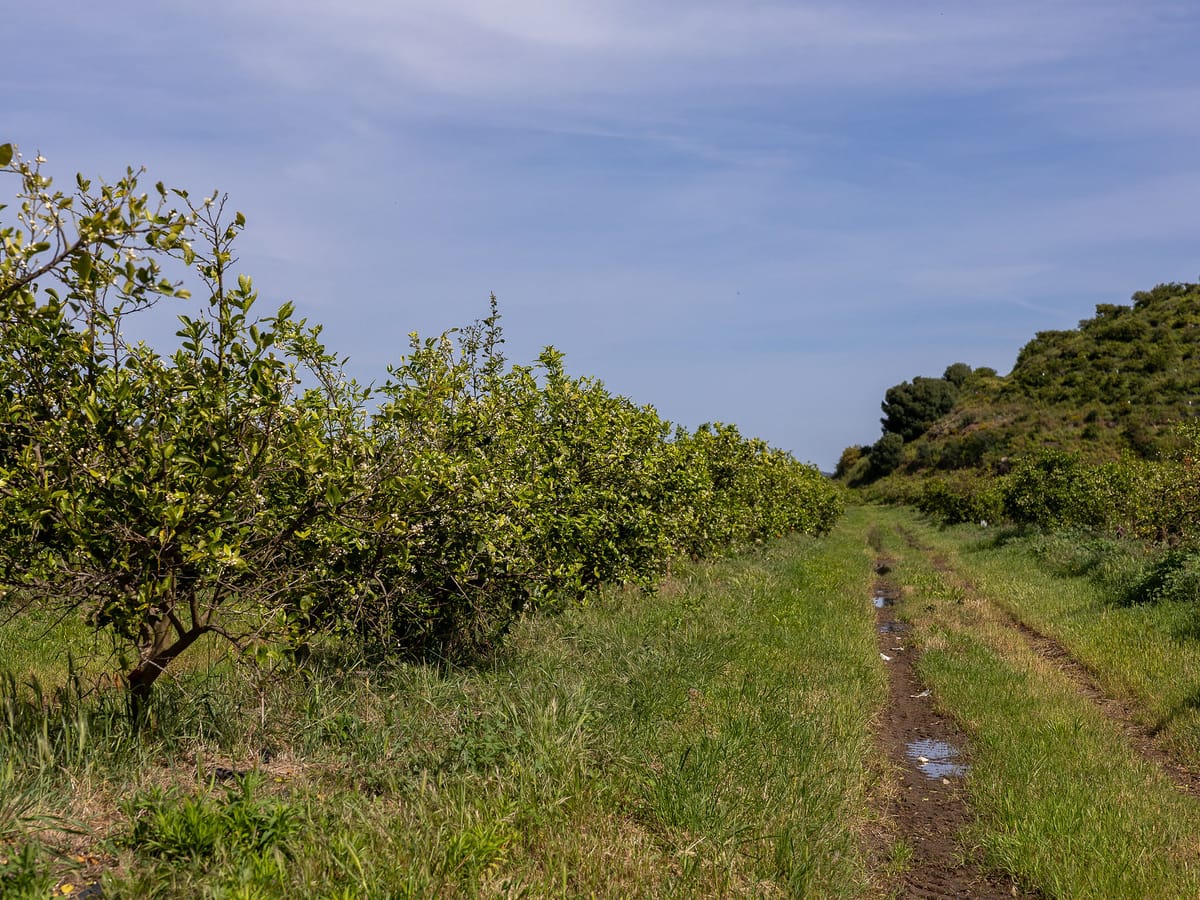
Persian lime
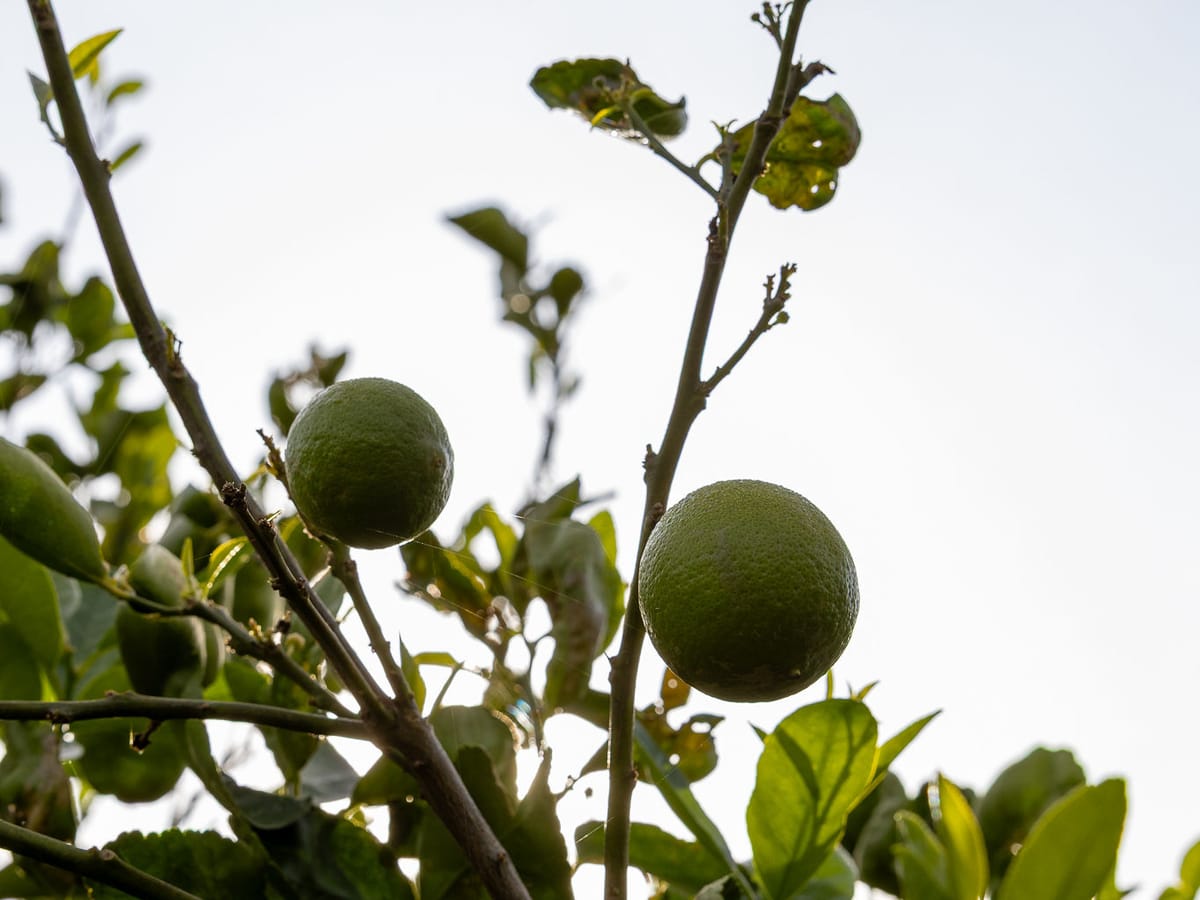
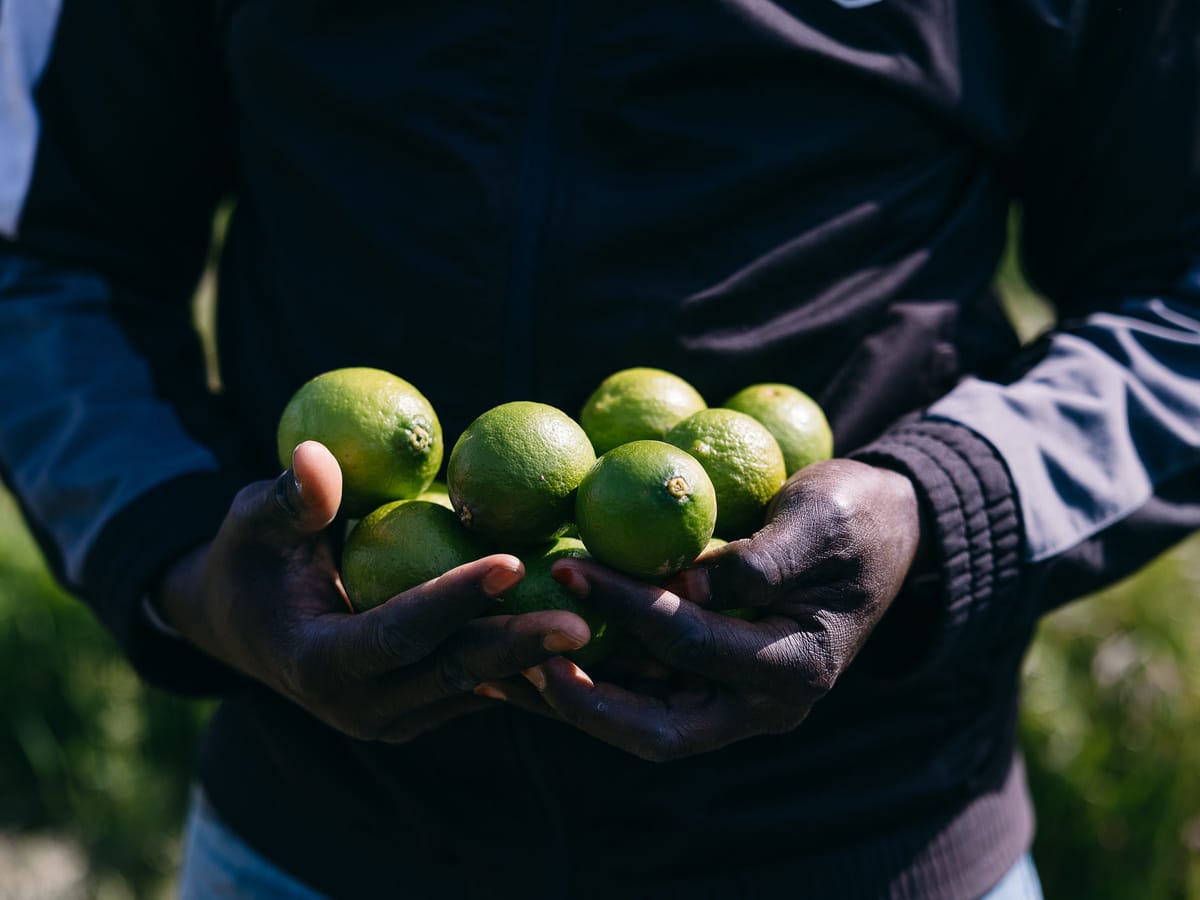
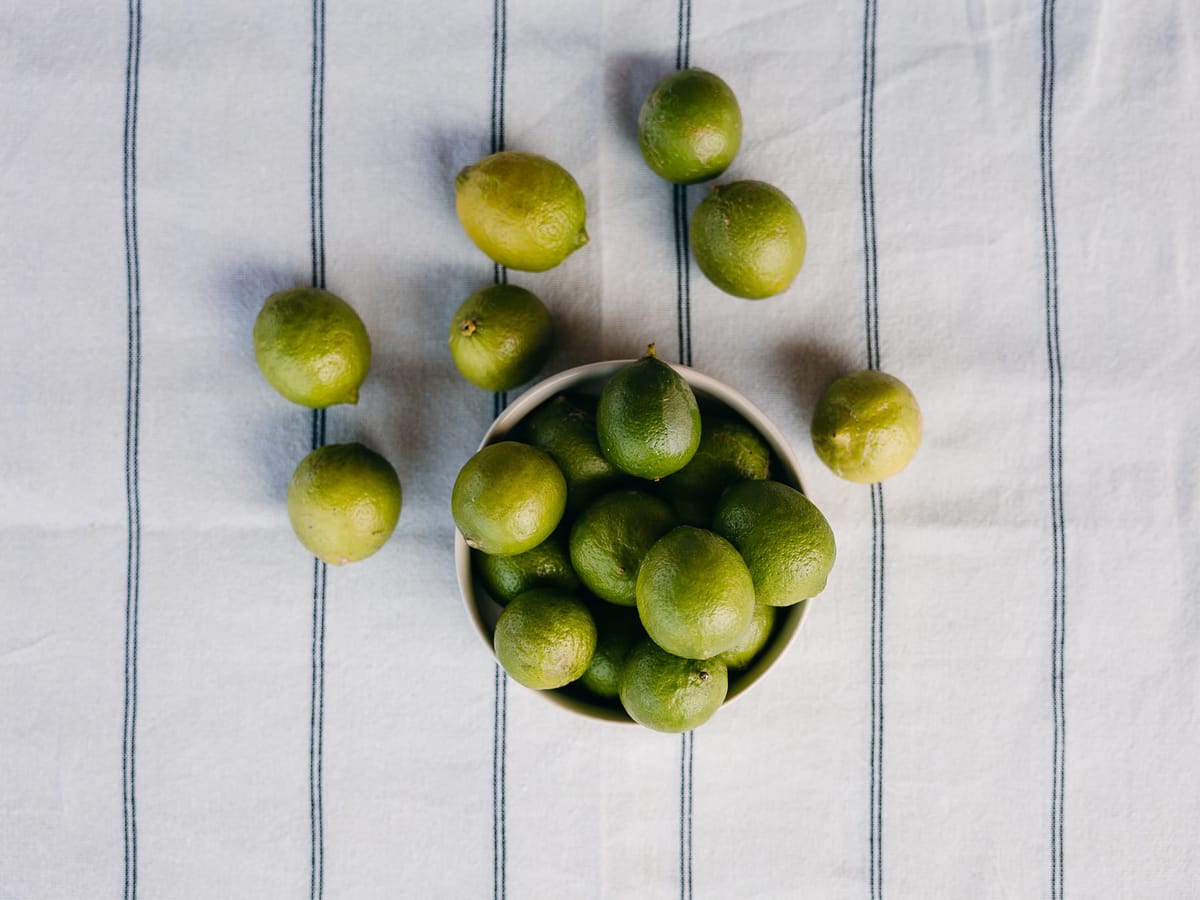
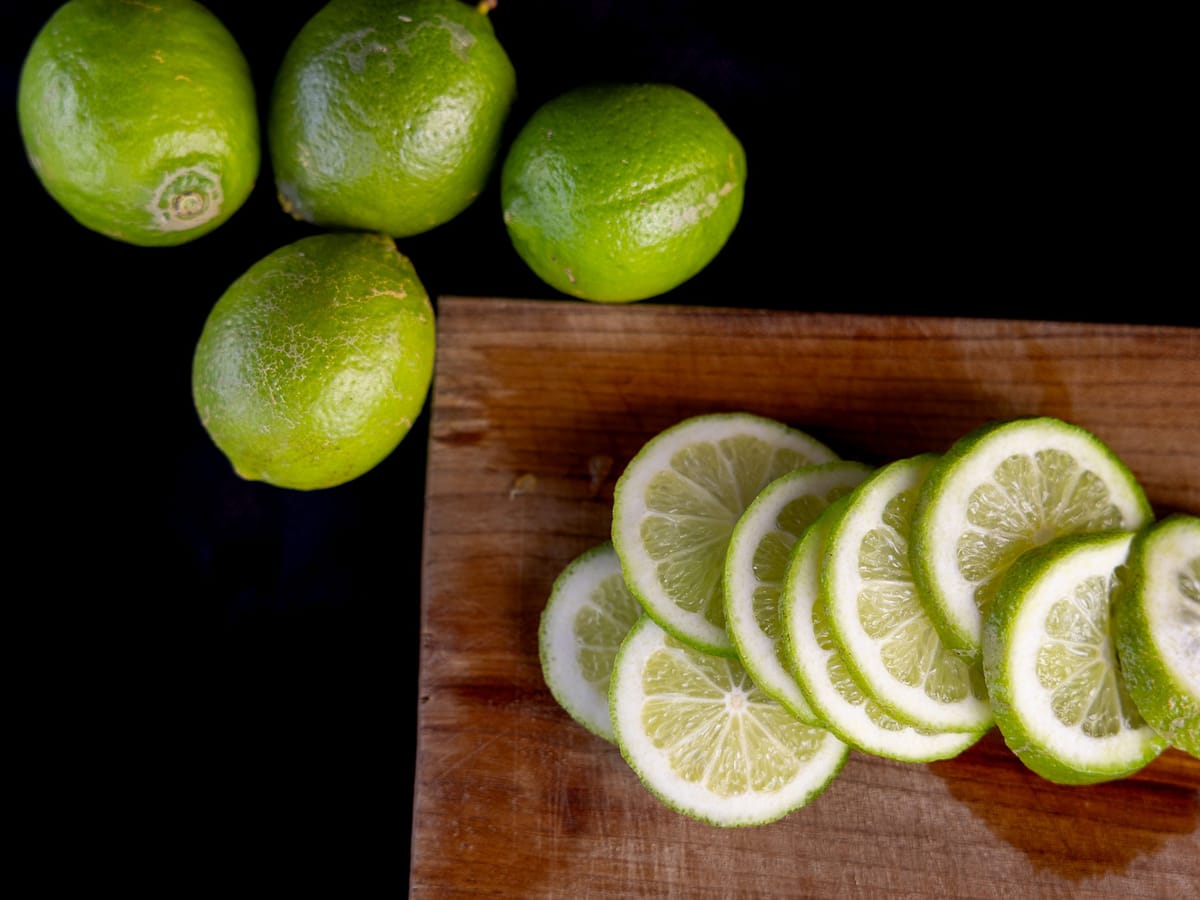
Also known as the Tahiti lime. An evergreen citrus with white blossom, bearing green fruit with thin skin and plenty of juice. It is picked by hand, fruit by fruit, so it reaches market intact, and it fills most of the fifty hectares.
Hass avocado
The benchmark variety in world trade: rough skin that darkens as it ripens, creamy flesh and good behaviour in transit. It is a long-horizon crop, and that is the point of it: every tree bears fruit for decades.
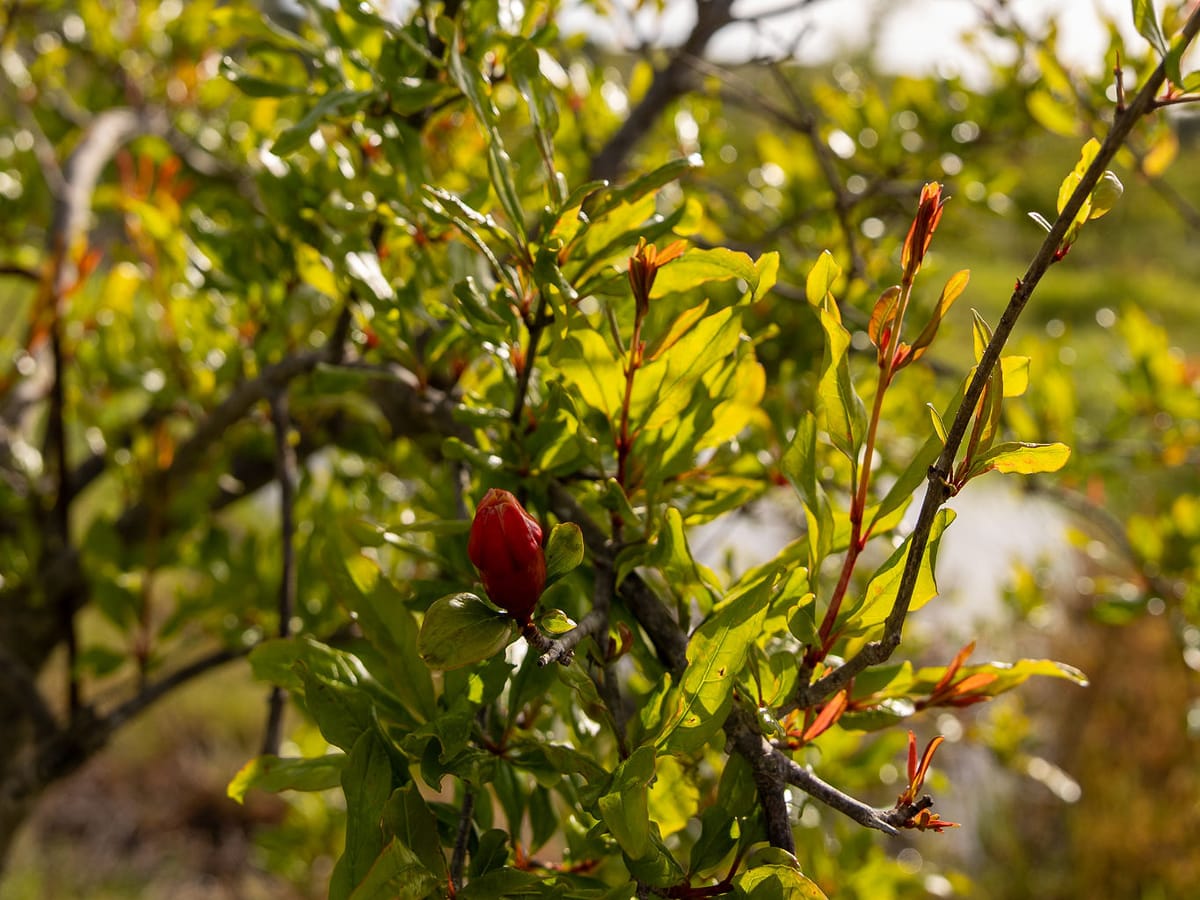
Pomegranate
The hardiest of the three: it welcomes the heat and gets by on little water. Its red flower opens at the end of spring and the fruit is picked in autumn, a window of its own within the estate’s calendar. Spain is Europe’s leading pomegranate exporter, and the markets that ask for it are the same four this estate already ships to.
In the field
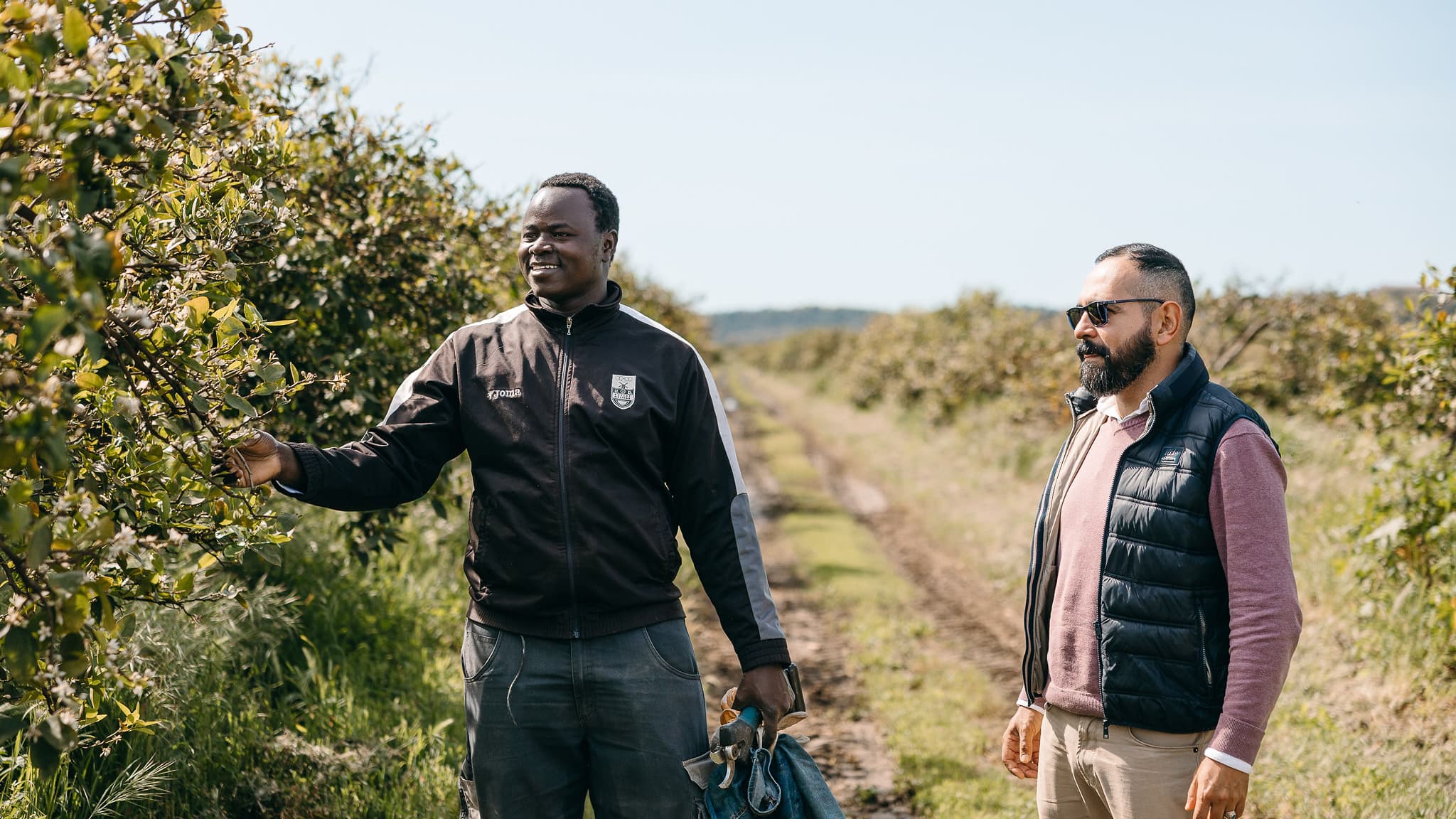
Pruning, irrigation, pest control and harvesting are done in the field and by hand, row by row. In a citrus and subtropical grove it is daily management that makes the difference between a good year and an excellent one, and that is where the care goes.
Sales
The fruit is picked by hand, fruit by fruit, and leaves the estate at export grade for the European markets: Spain, France, the UK and Germany. Producing at the continent’s south-western tip and selling into the rest of Europe is the advantage of being where the estate is, and it is what underpins the project’s international sales.
The setting
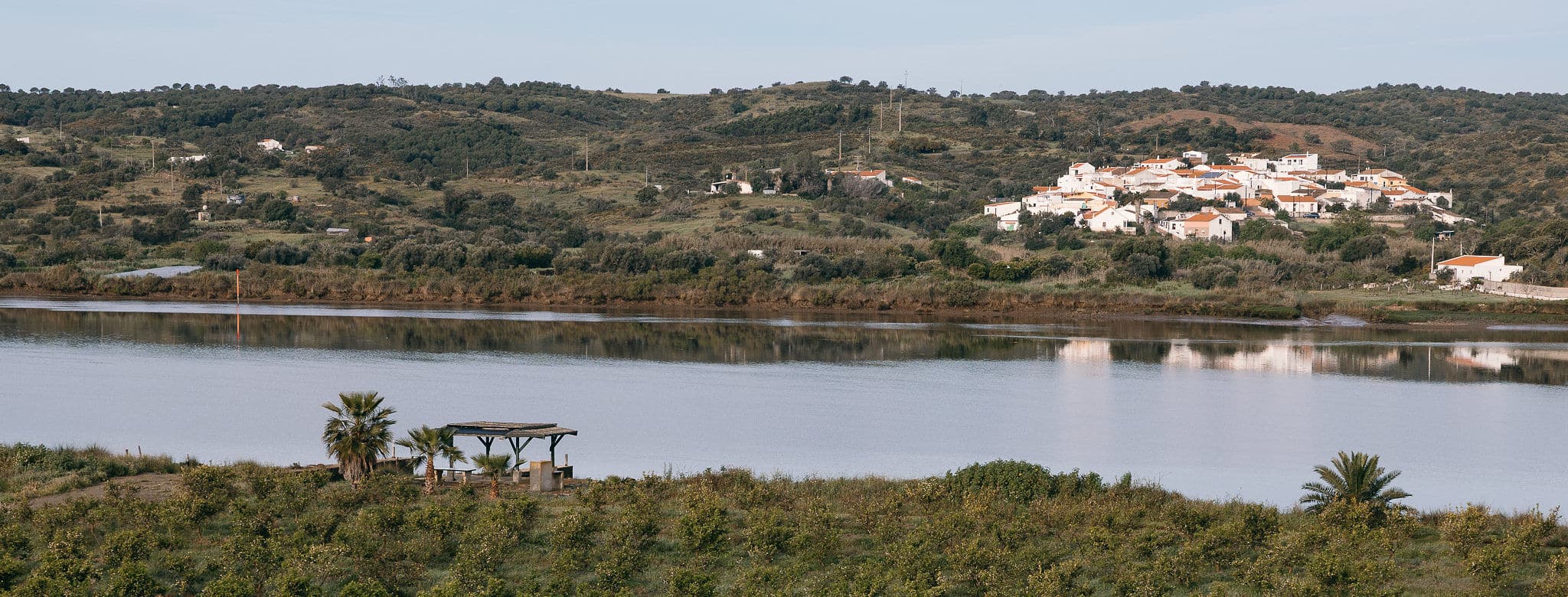
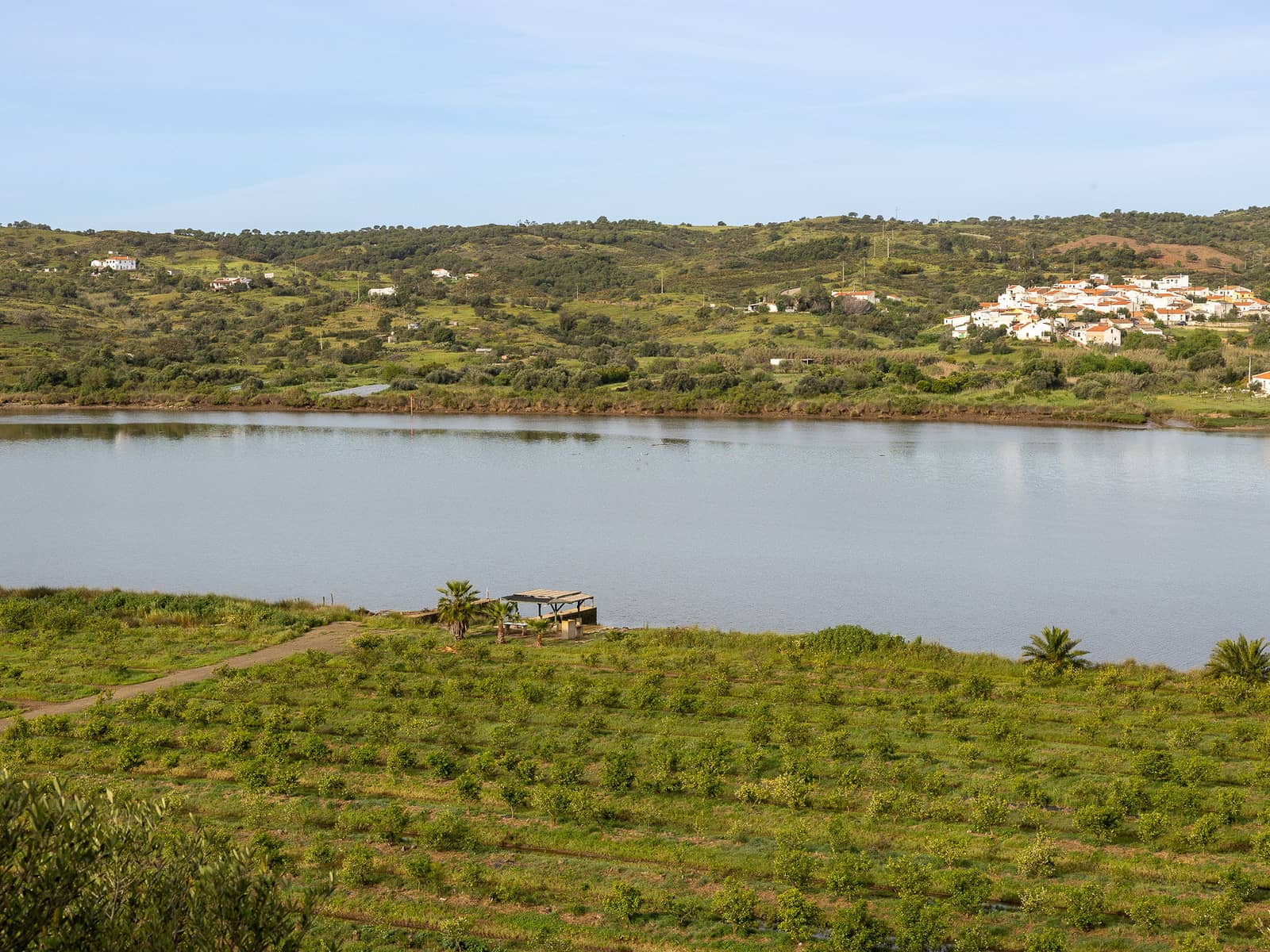
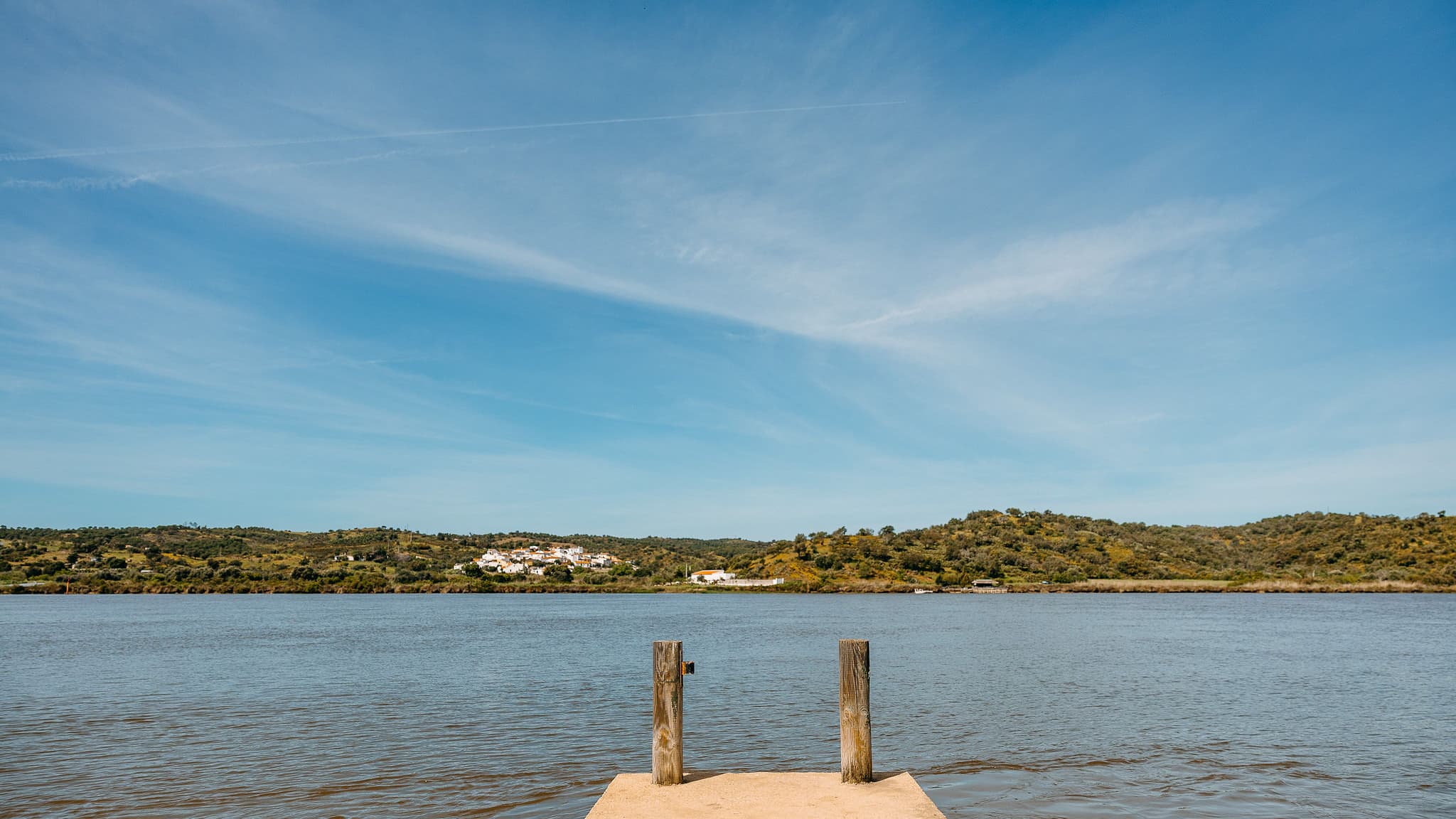
The estates take in more than three kilometres of Guadiana riverfront, and along this stretch the river is the border: the far bank is Portugal. They lie five kilometres from the river mouth, so the water seen from the groves is already running into the Atlantic. That same corridor of water shapes the landscape and goes with the microclimate: mild winters, long summers, twelve temperate months.
That river frontage is what makes the estate more than a farming operation, and it is the starting point for everything that follows.
The vision
Of the 300 hectares, 50 produce fruit. The other 250 are the ground for the project’s vision: turning the estate into a tourism destination right on the border, between Huelva’s Costa de la Luz and the Portuguese Algarve. The landscape, the water, the climate and the access are already here, and the plan takes in accommodation, use of the river and a golf course of its own. What comes next is building on what is there.
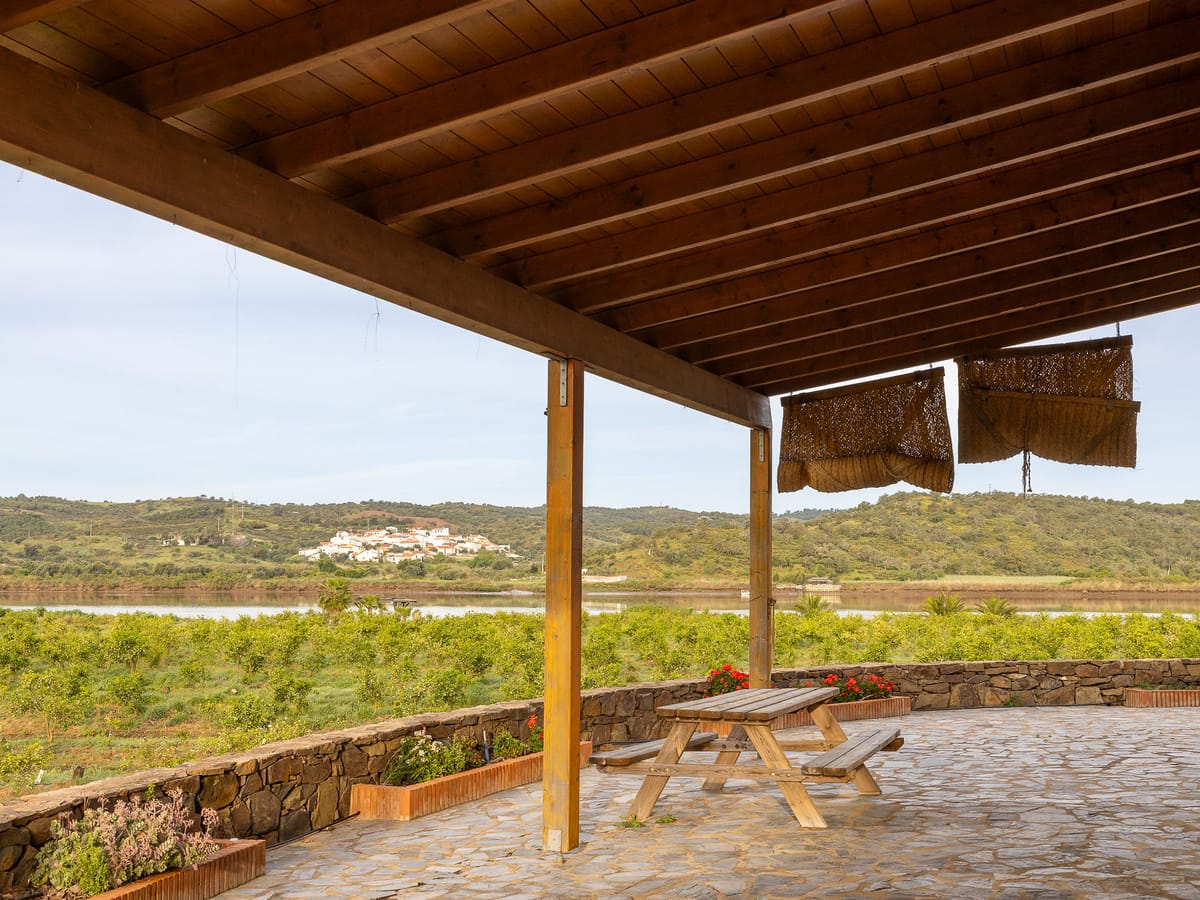
Staying at the farmhouse
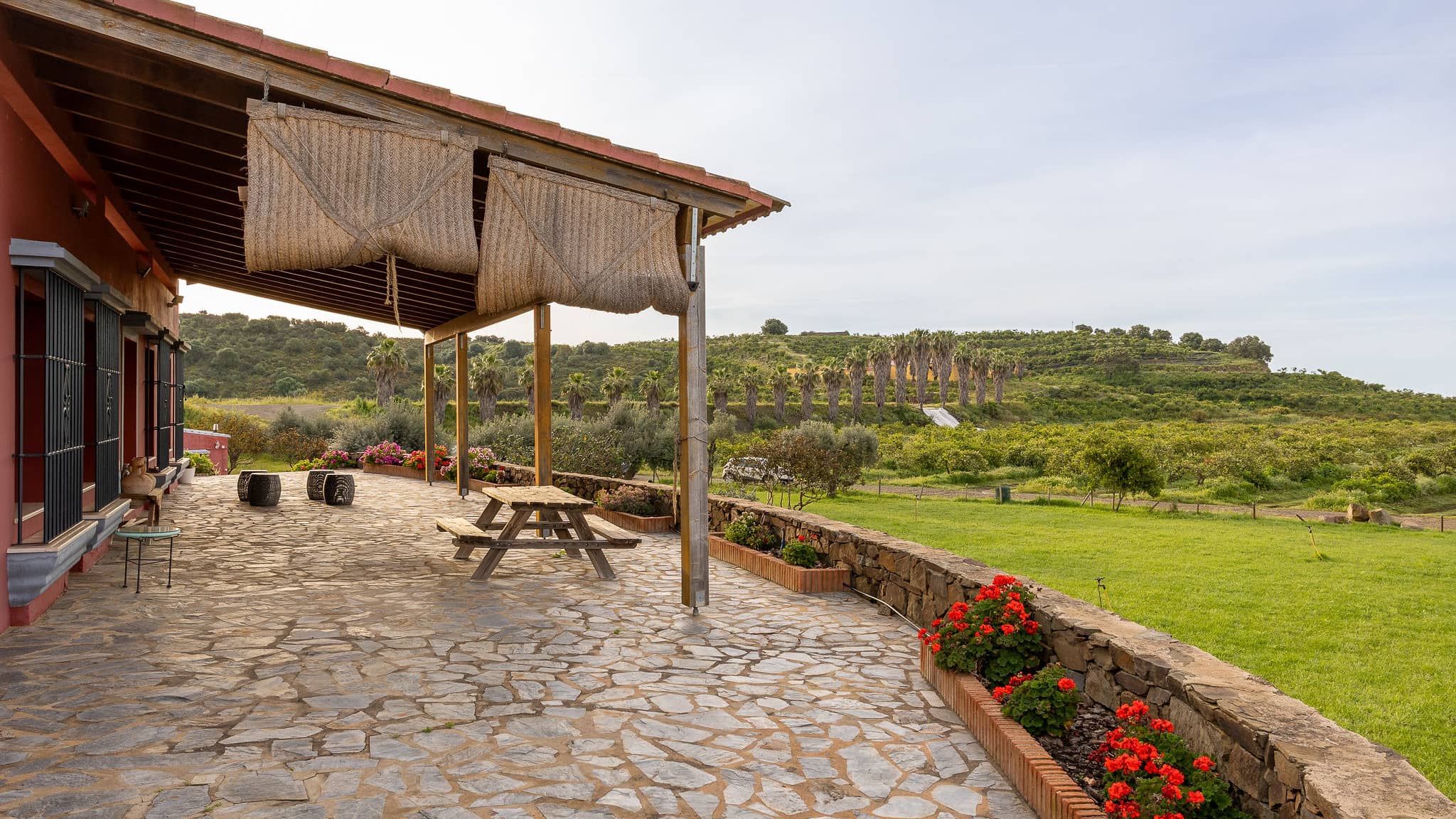
The farmhouse is already standing, its shaded porch open to the groves and the river. It is the natural starting point for accommodation: country lodging, agritourism and long stays through the mild season.
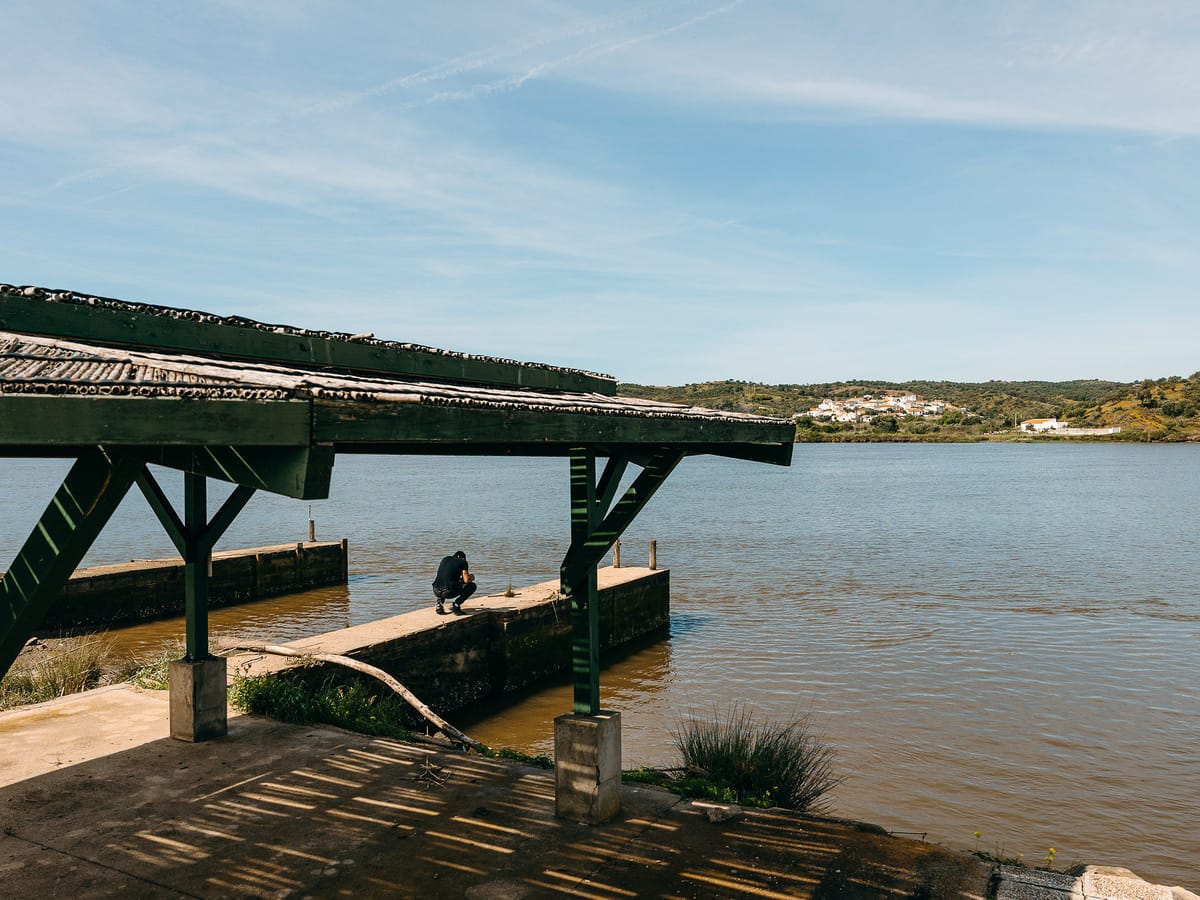
The river, with its own jetty
More than three kilometres of Guadiana riverfront and a wooden jetty already built. From there, river cruising, fishing, kayaking and the crossing to Portugal: the far bank is in plain sight.
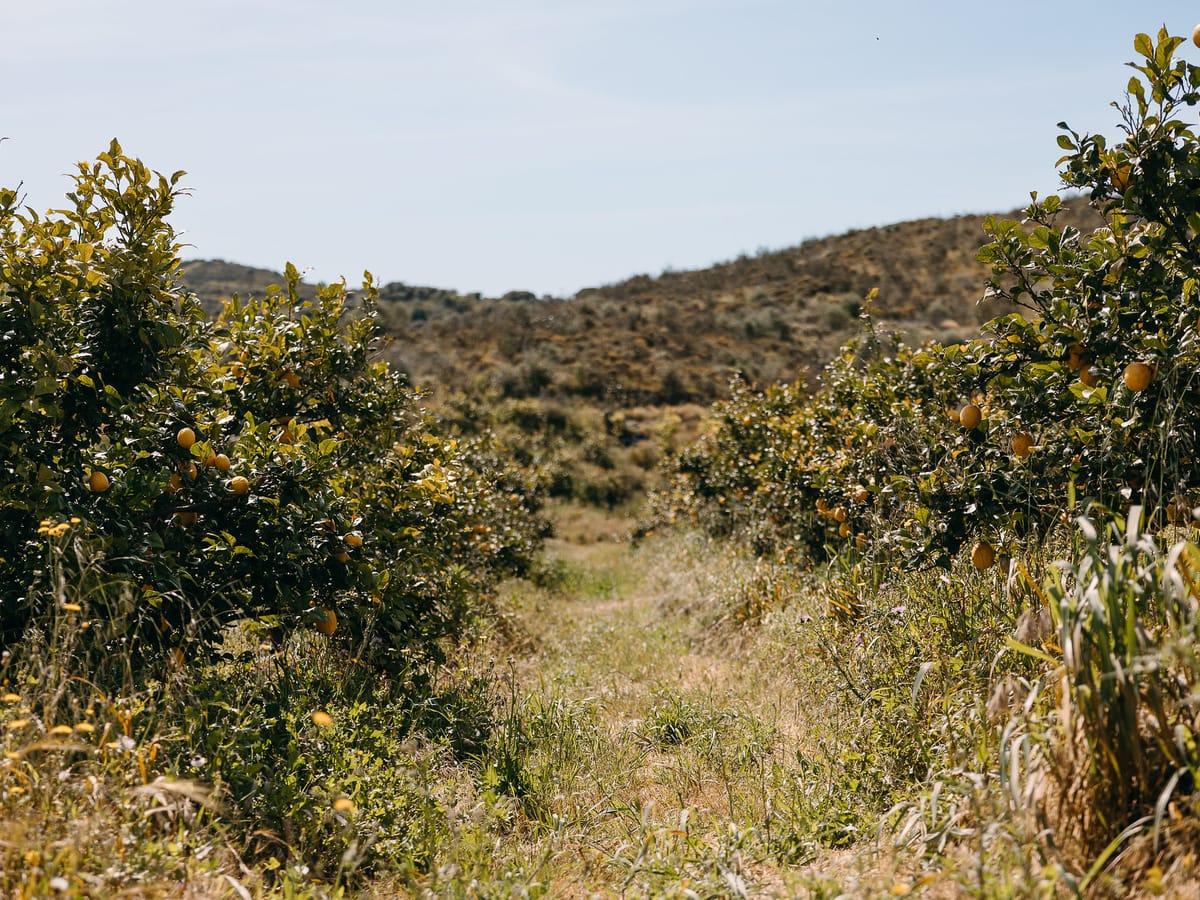
Among the crops
Fifty hectares of lime, avocado and pomegranate in production, with their dirt lanes and hillsides. Walking and cycling routes, field visits and picking alongside the visitor: here the crop is part of the visit.
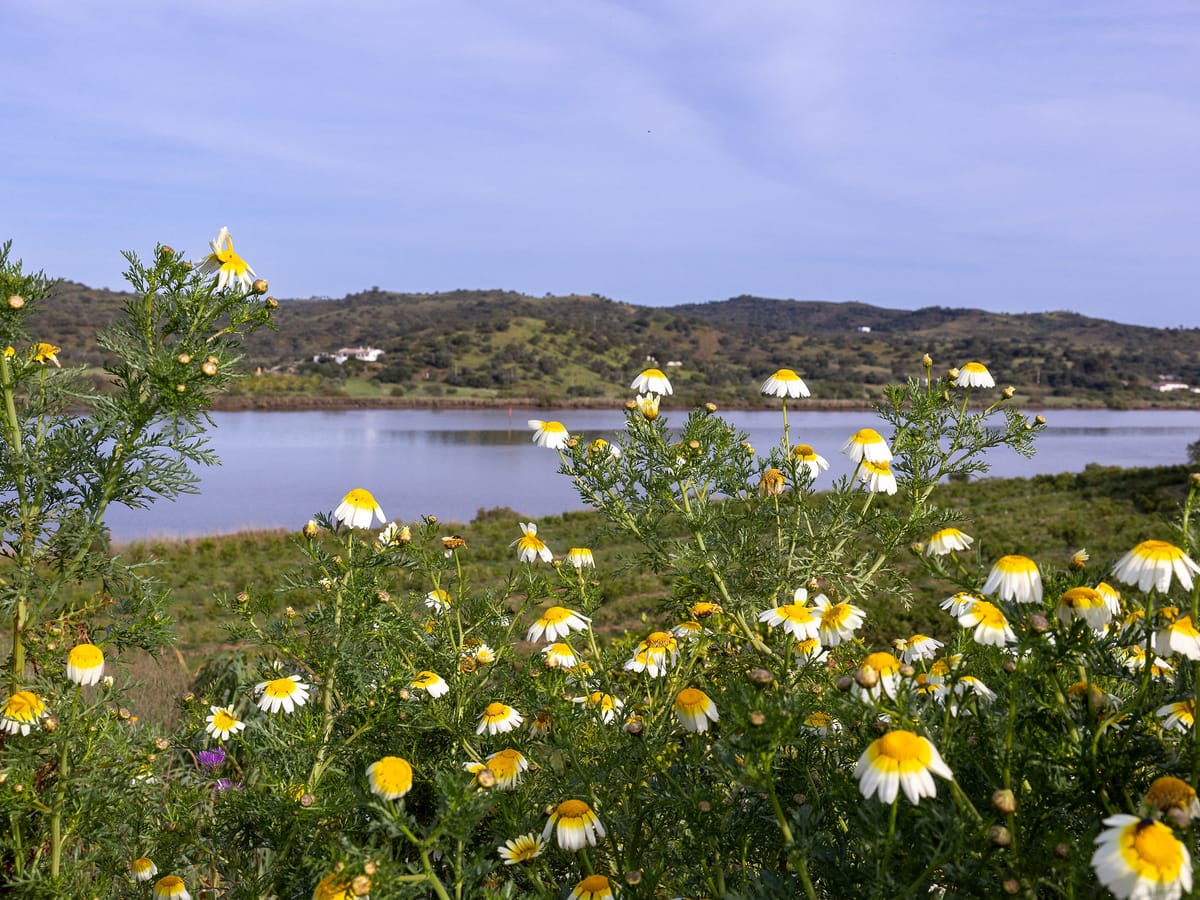
Nature and open air
The lower Guadiana marshes are birdwatching country, and the estate’s hillsides look out over both banks. The beach is five kilometres away on either side, and the sandy shore at the river mouth is visible from the estate’s own bank.
The location
The estate sits where two established tourism destinations meet: Huelva’s Costa de la Luz and the Algarve, one on each side of the river. The beaches of both countries are a quarter of an hour away and Faro airport fifty kilometres out, with over fifty international destinations. The demand arrives on its own, and the microclimate stretches the season across the whole year.
- Of owned land for the project
- 250 ha
- Of Guadiana riverfront, with a jetty
- +3 km
- To the river mouth and the beaches
- 5 km
- To Faro international airport
- 50 km
- International destinations from Faro
- +50
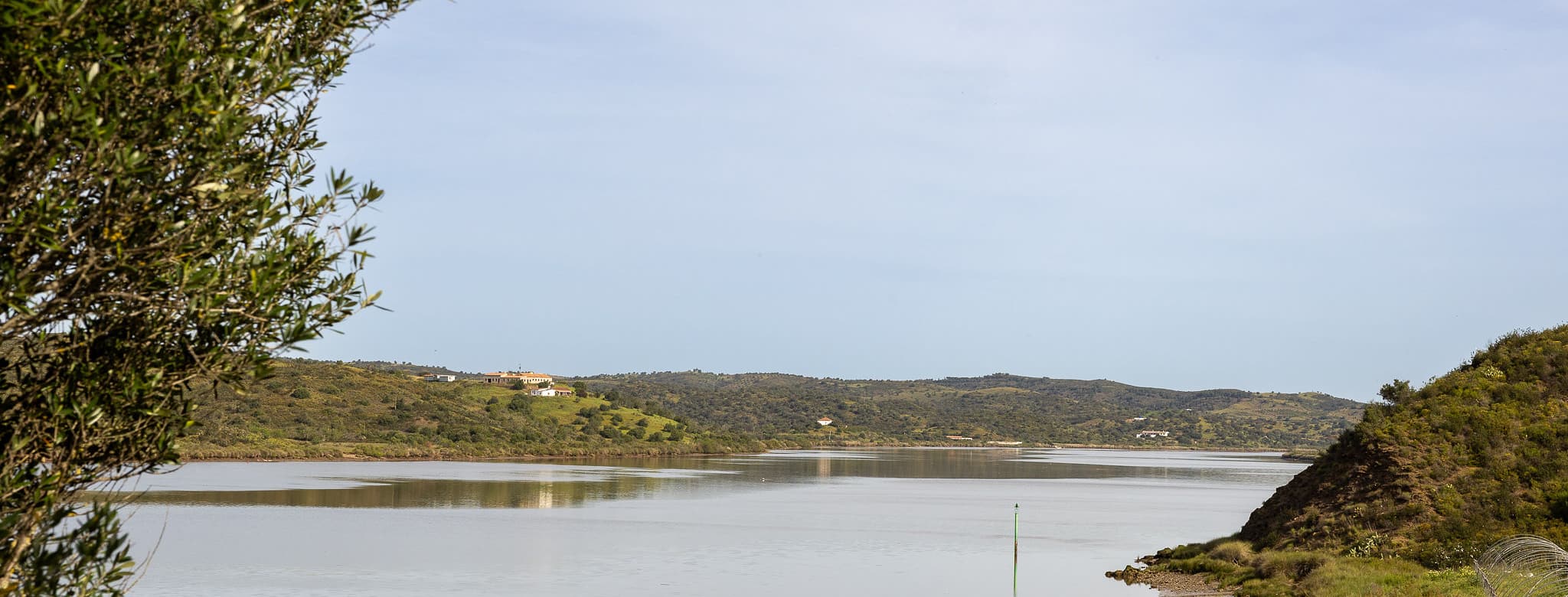
Farming keeps the landscape and gives the visitor something to see and to taste. Tourism is the next step: turning these three hundred hectares of border country into a destination.
Within the group
Grupo Merino began in Spain and crossed to Venezuela in 1974. Agropecuaria del Guadiana is the unit through which the group produces in the country it came from, and the only one of the five operating in Europe: the one that gives the group a European market and an Atlantic border.
Contact
We work with producers and customers, with suppliers and commercial partners, and with those looking to invest in agribusiness. Tell us what you need and we will put you in touch with the right business unit.
About the group